
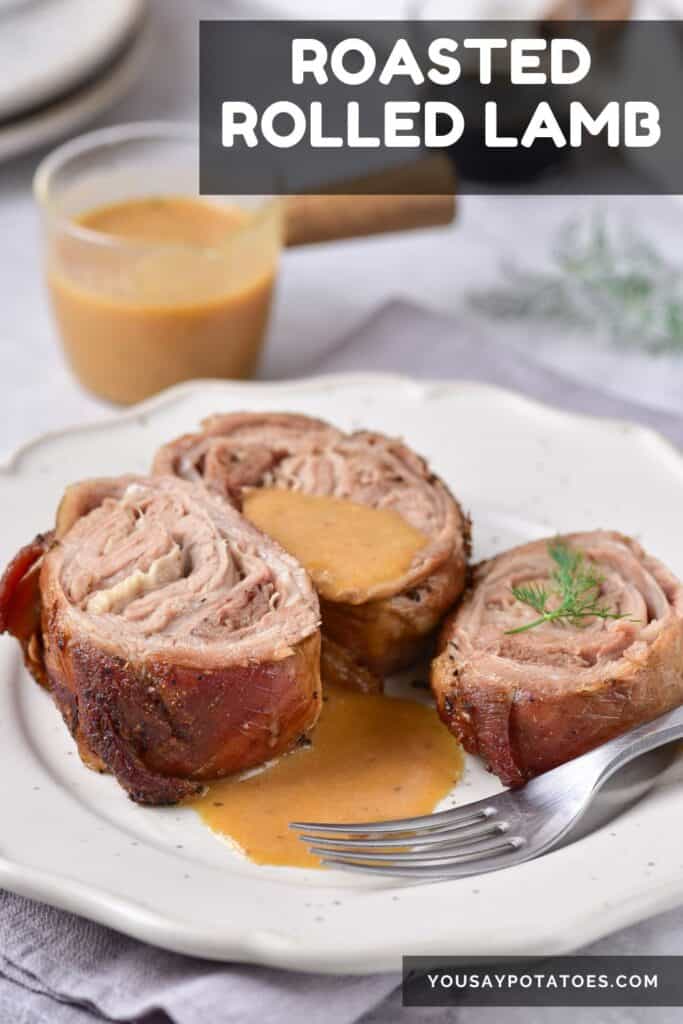
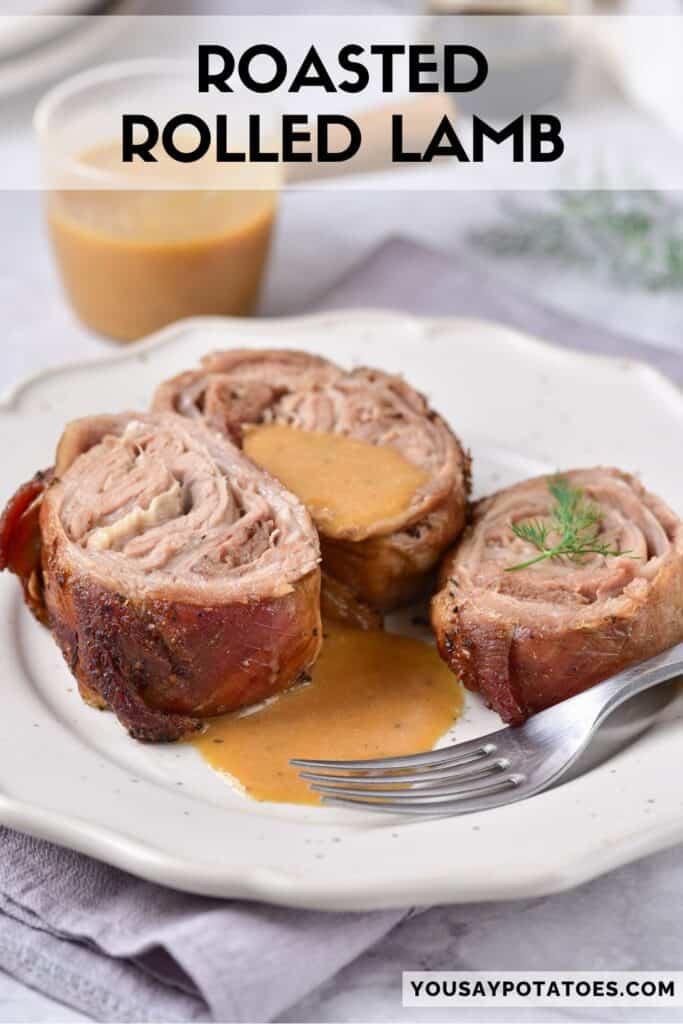
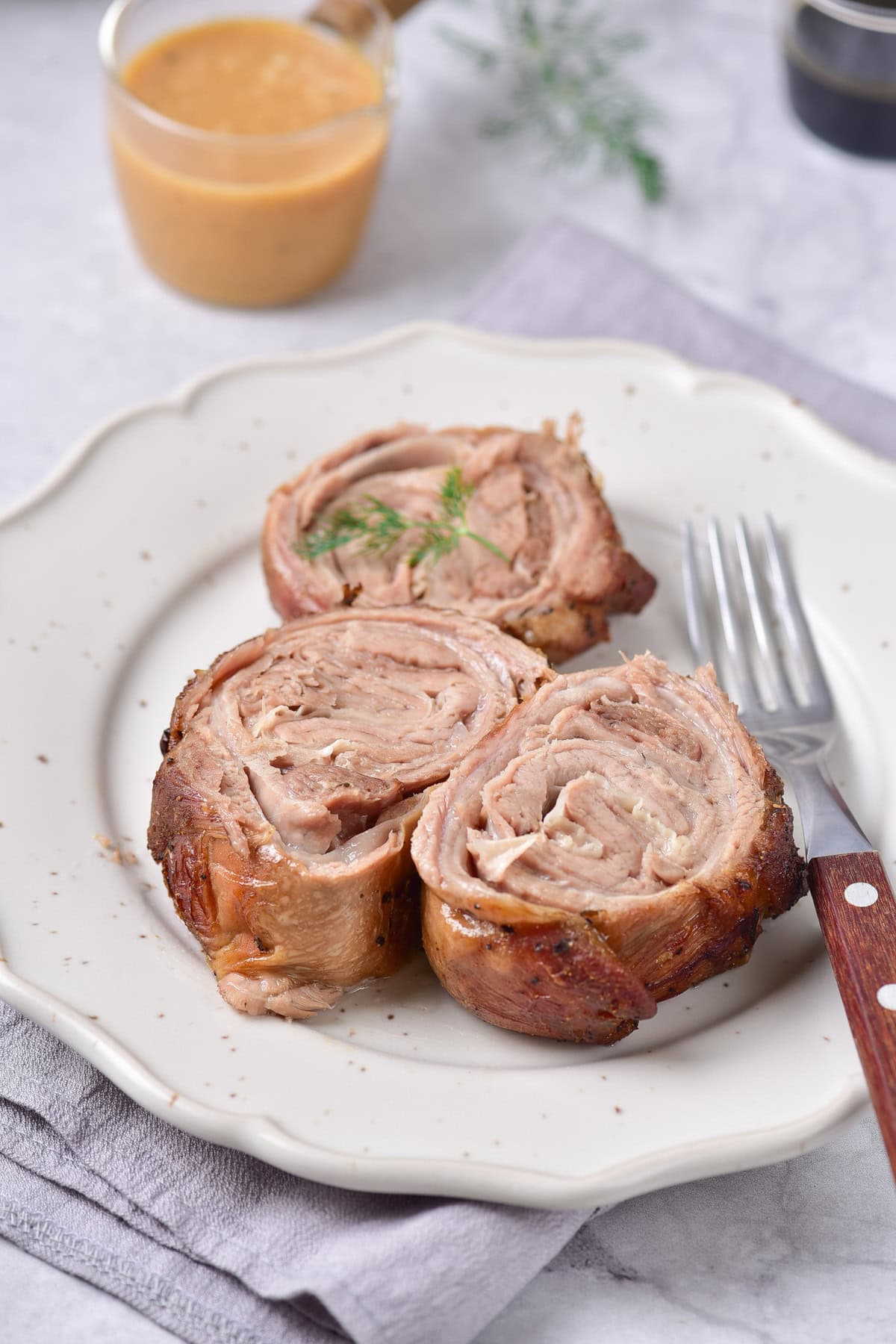
A tender, juicy and succulent Slow Roasted Rolled Lamb Breast with homemade gravy. It's surprisingly easy, yet elegant enough for Easter or a dinner party.
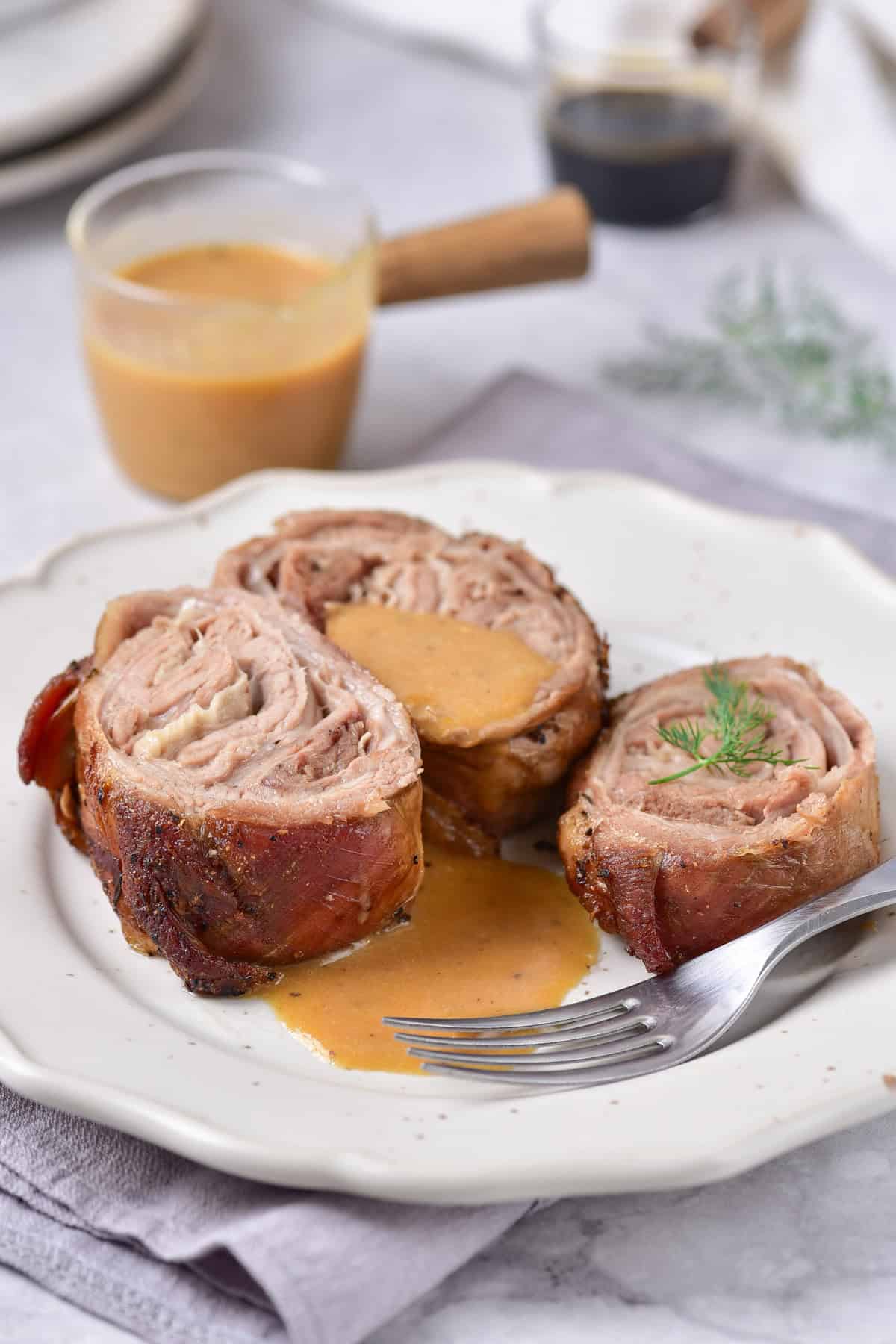
Looking for a show-stopping dish that tastes incredible? Look no further than Roasted Rolled Lamb Breast.
This recipe combines juicy lamb with a blend of savory spices, resulting in a flavorful and satisfying meal.
With its tender meat and aromatic seasonings, this recipe is sure to impress your family and friends. Whether you're planning a special dinner or simply want to elevate your weeknight meals, this dish is a fantastic choice.
Roasted rolled lamb is made from lamb breast, which is an affordable cut that becomes incredibly tender when cooked slowly. When rolled and tied, it holds its shape beautifully and slices into thick portions.
The flavor is rich and slightly earthy, balanced by garlic, coriander, and fresh thyme.
As it roasts, the vegetables and broth underneath create a natural gravy that brings everything together. This recipe uses simple ingredients but still delivers something that feels like a proper roast dinner that's elegant enough for Easter.
If you are new to cooking lamb, this is a great place to start. The method is forgiving, and the results are consistent. You end up with juicy meat, a crisp outer layer, and a deeply flavorful sauce.
The tenderness of the meat combined with the savory flavors impressed me and sparked an enthusiastic conversation about the recipe. It was a memorable experience that encouraged me to make this dish time and time again.
We love serving the rolled lamb with mashed potatoes or Air Fryer Sliced Potatoes (Crispy Potato Rounds) and vegetables like Buttered Cabbage or Melted Leeks. If you're a fan of lamb, then be sure to also try Air Fryer Lamb Chops.
Jump to:
Why You Should Make This Recipe
- The combination of garlic powder, coriander, and thyme infuses the lamb with incredible flavors that will leave you craving more.
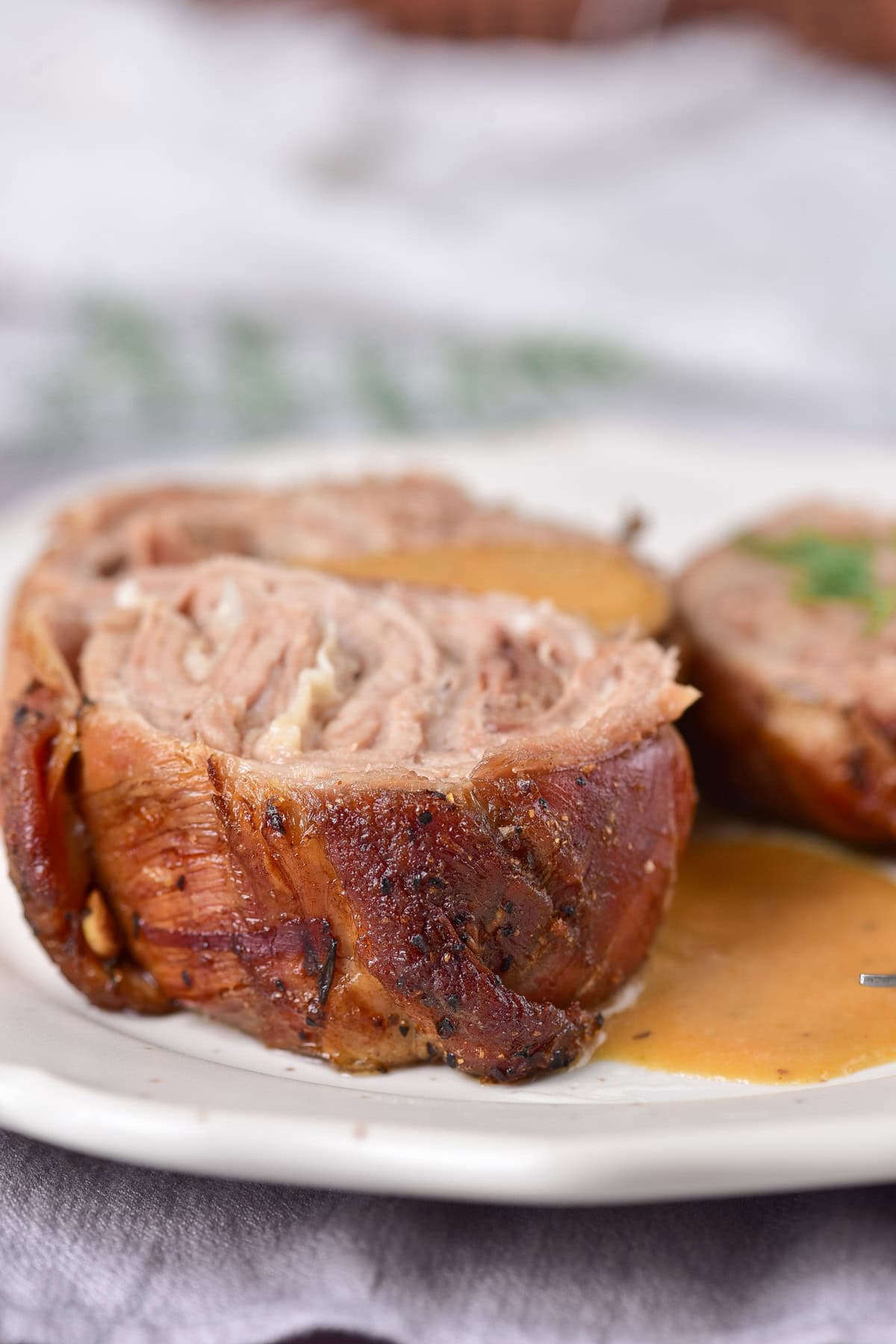
- The slow roasting method ensures that the lamb breast becomes incredibly tender and juicy, with a melt-in-your-mouth texture.
- Serving a beautifully rolled and roasted lamb breast will impress your guests and make any occasion feel special.
- This dish can be enjoyed as the centerpiece of a formal dinner, such as Easter or Thanksgiving, or as a delicious leftover meal in sandwiches or salads.
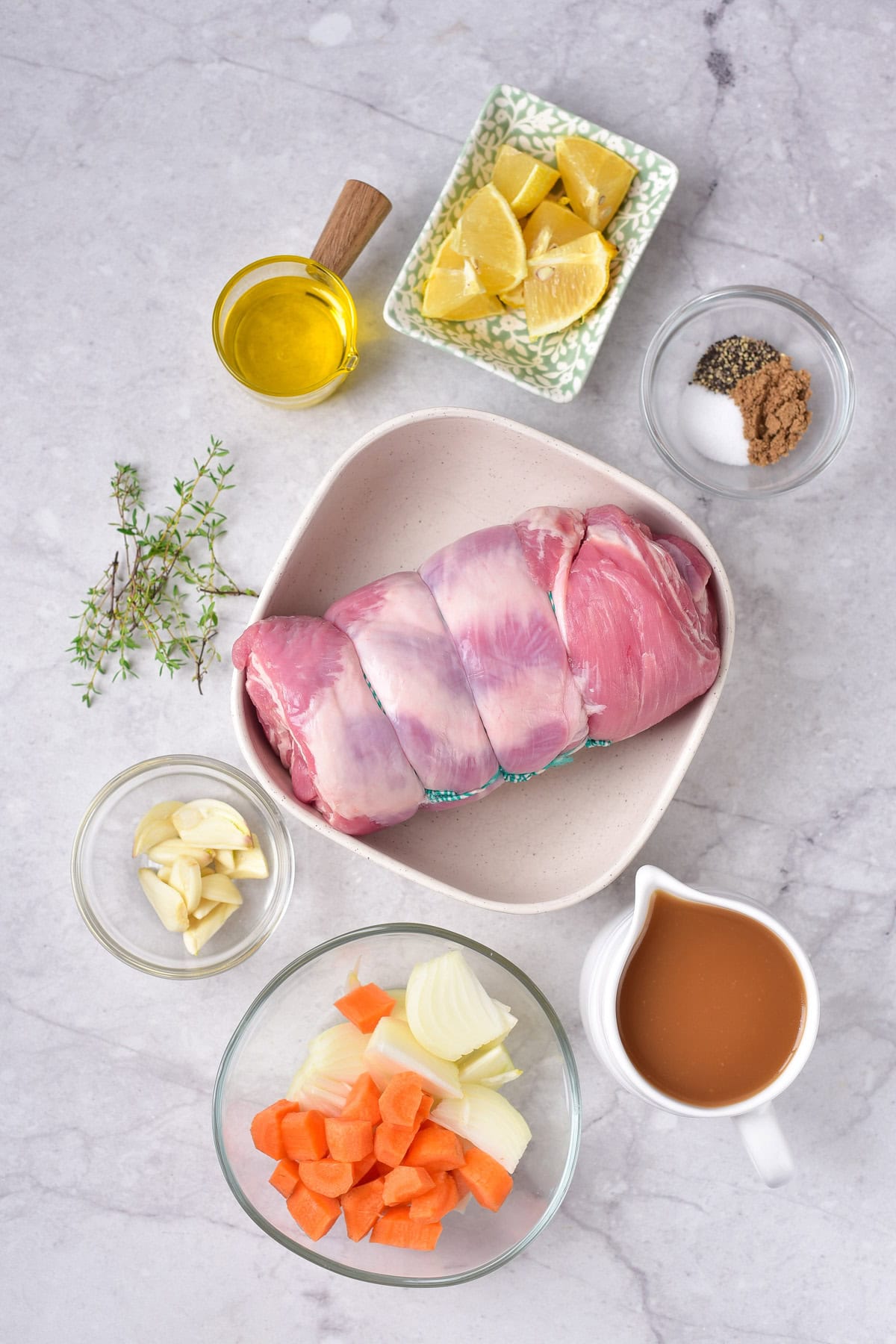
Ingredients
- Rolled lamb breast: The star of the dish, the lamb breast offers a rich and tender meat that is perfect for roasting. Ask for it from your butcher or meat counter. If you can't find rolled lamb breast, you can use boneless lamb shoulder as a substitute.
- Garlic powder: Adds a punch of savory flavor to the lamb.
- Ground coriander: Enhances the overall taste. You can leave it out if you don't have any.
- Salt and black pepper: Essential seasonings that bring out the flavors of the meat.
- Oil: Used for frying the lamb breast to create a delicious crust. You can use olive oil or vegetable oil.
- Carrot: Provides sweetness and a hint of earthiness to the dish.
- Onion: Adds depth and flavor to the roasted vegetables.
- Garlic cloves: Infuse the dish with a delightful aroma and flavor.
- Lemon: Brings a touch of brightness to the dish.
- Broth: Adds richness and depth to the gravy. You can use beef, vegetable or chicken broth. Or try making lamb broth.
- Thyme sprigs: Delicate herb sprigs that complement the flavors of the lamb beautifully.
See the recipe card for the full method and quantities.
What is rolled lamb?
Rolled lamb refers to a specific cut of lamb that has been deboned, flattened, and rolled into a cylindrical shape. It is typically made from the lamb breast, which is a flavorful and tender cut located on the lower part of the animal's chest. The lamb breast is known for its marbling and rich flavor, making it a popular choice for roasting.
To create rolled lamb, the butcher removes the bones from the lamb breast and then spreads the meat out flat. The meat is often seasoned with herbs, spices, or other flavorings before being rolled tightly into a cylindrical shape. It is then secured with kitchen twine or skewers to maintain its shape during cooking.
The process of rolling the lamb breast allows for even cooking and creates a beautiful presentation when sliced.
What Lamb to Buy for Roasted Rolled Lamb Breast
When making this recipe, the best cut to look for is lamb breast, sometimes labeled as lamb belly. This cut comes from the lower chest area of the animal and is naturally rich in fat and connective tissue.
That might not sound appealing at first, but it is exactly what makes it ideal for slow roasting.
The fat renders down during cooking, keeping the meat juicy and adding a lot of flavor to the final dish.
Buying Lamb Breast
- Choose a piece that has a good balance of meat and fat. Too lean and it can dry out, too fatty and it can feel heavy.
- Look for even thickness across the cut so it cooks evenly when rolled.
- Ask your butcher for a boned and flattened lamb breast if you are not comfortable trimming it yourself.
- If possible, go for higher welfare or grass-fed lamb, which often has better flavor.
If you cannot find lamb breast, lamb shoulder can be used as a backup. It will not have the same structure when rolled, but it still works well with slow roasting.
How to Roll Lamb Breast Properly
Rolling lamb breast is simpler than it looks, and once you have done it once, it becomes second nature. The goal is to create a compact, even roll that cooks uniformly and slices cleanly.
Here is how I approach it:
- Lay the lamb breast flat on a clean surface with the inside facing up.
- Trim any very thick or uneven sections if needed, but do not remove too much fat.
- Season the inside evenly so the flavor runs through the entire roll.
- Start rolling from one long edge, keeping it tight as you go.
- Once rolled, secure it with kitchen twine at regular intervals, about every 2 to 3 cm.
- Tie it firmly enough to hold the shape, but not so tight that it cuts into the meat.
If the lamb is not tied well, it can unravel during cooking, which affects both texture and presentation. A tight, even roll helps it cook consistently and gives you those neat slices at the end.
If you are short on time, many butchers will roll and tie it for you, which is worth asking about.
Food Safety Tips for Cooking Lamb
Lamb is generally safe and straightforward to cook, but a few basic food safety practices make a big difference. Always keep raw lamb refrigerated until you are ready to use it, and avoid leaving it at room temperature for extended periods. When handling raw meat, use separate cutting boards and wash your hands thoroughly to prevent cross-contamination.
For cooking, using a meat thermometer is the most reliable way to ensure safety and quality. Lamb is considered safe to eat at an internal temperature of 145°F (63°C), followed by a short resting period. If you prefer it more well done, you can cook it longer, especially with a cut like lamb breast that benefits from extended cooking.
Leftovers should be cooled and refrigerated within two hours, and reheated until piping hot before serving. Following these simple steps helps you get the best results while keeping everything safe to eat.
Instructions
If you're wondering how to make this roasted rolled lamb breast recipe, don't worry, it's easy!
Just follow this step-by-step photo tutorial. Then scroll down to the recipe card for the full ingredients list and recipe method.
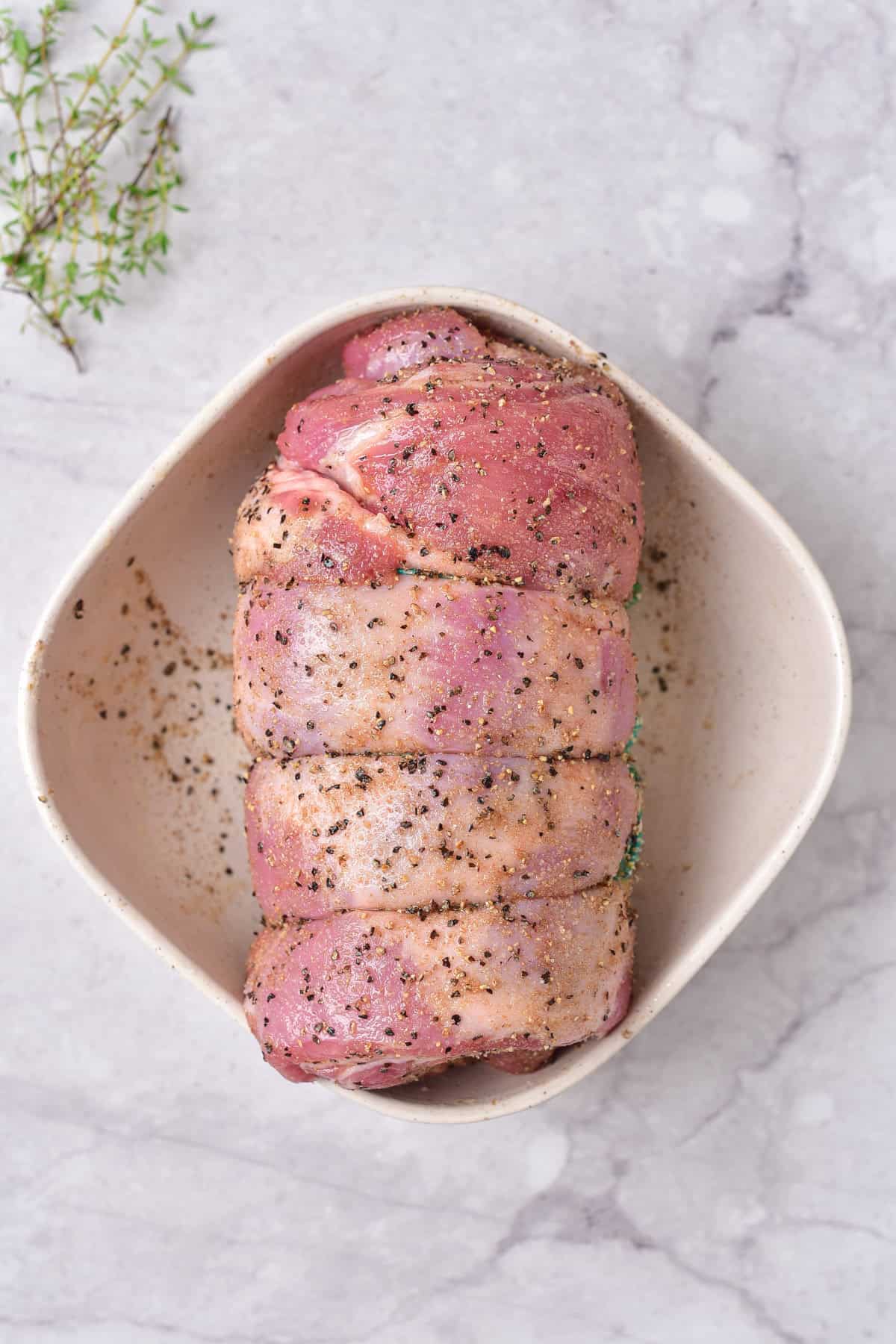
Preheat the oven to 350°F.
Unroll the lamb breast and sprinkled the garlic powder, ground coriander, salt and pepper over the inside of the meat.
Roll the lamb breast back up tightly and secure it with kitchen twine at regular intervals to hold its shape during cooking. Set aside.
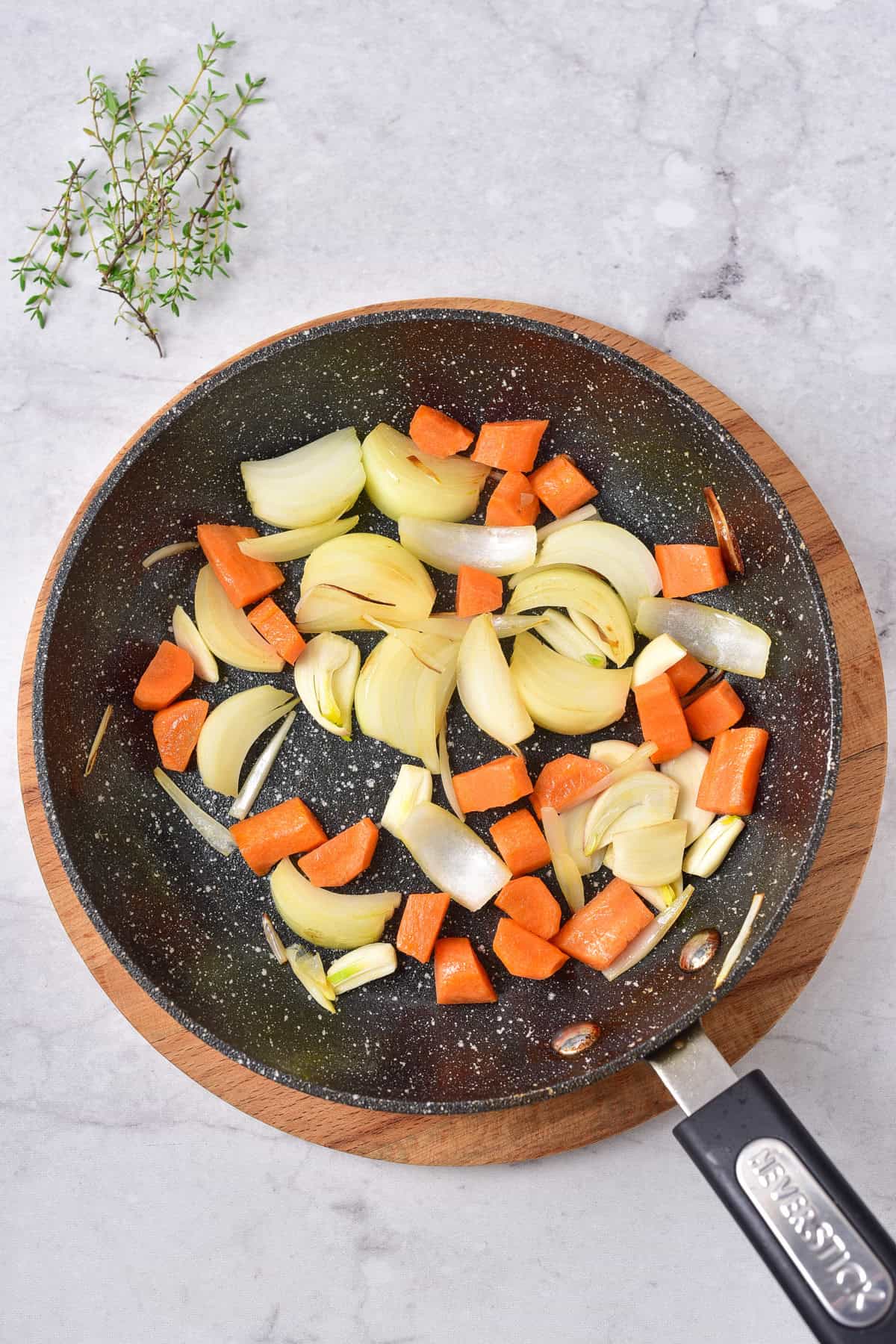
Add 1 tablespoon of the oil to a skillet over a medium heat. Sauté onions and carrots for 5 minutes, stirring occasionally. Then add the garlic and fry everything together for another 2 minutes. Pour the vegetables into the baking dish.
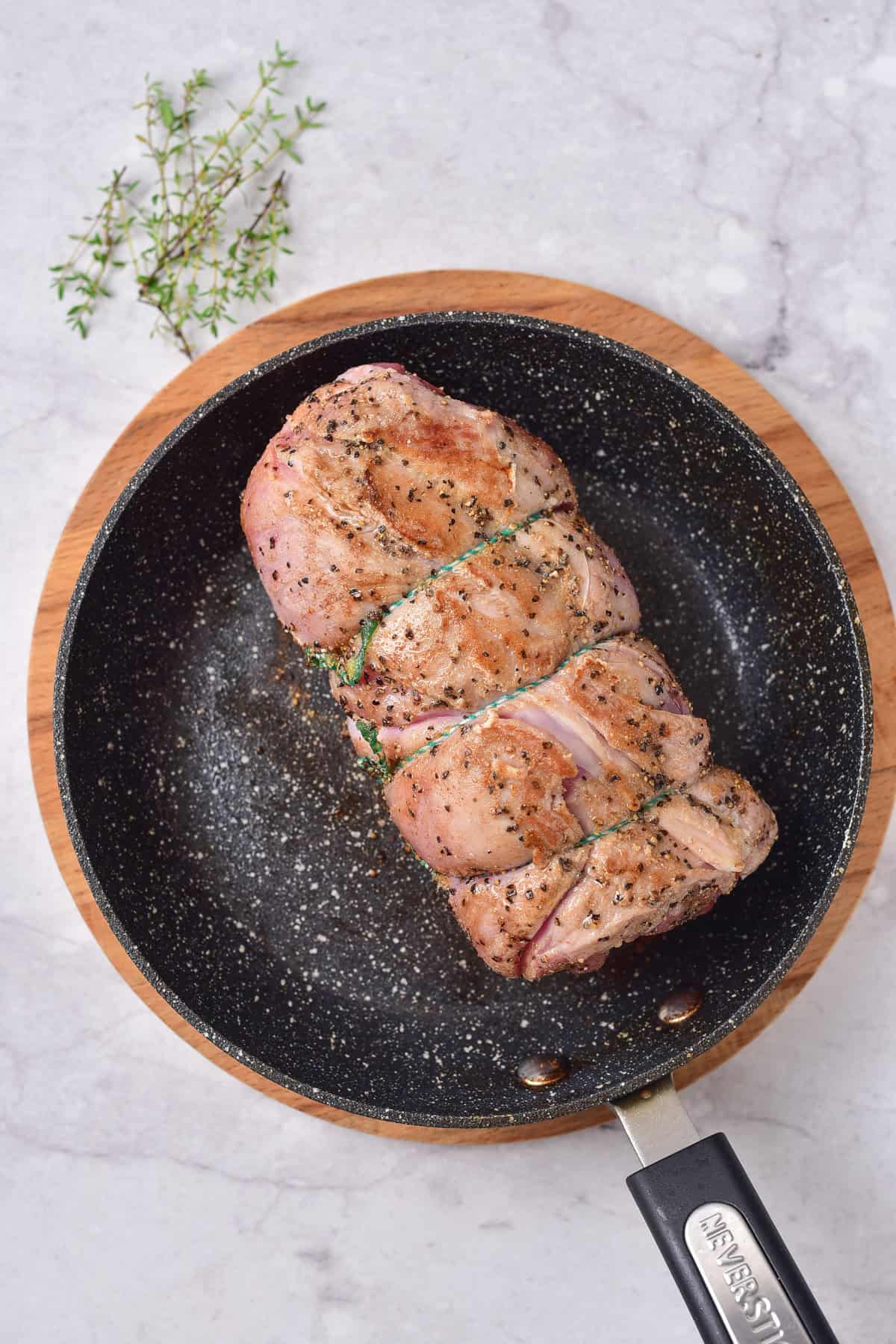
Add the remaining oil to the pan and fry the rolled breast over high heat, gradually turning it with cooking tongs, until you get a fried crust over the entire surface.
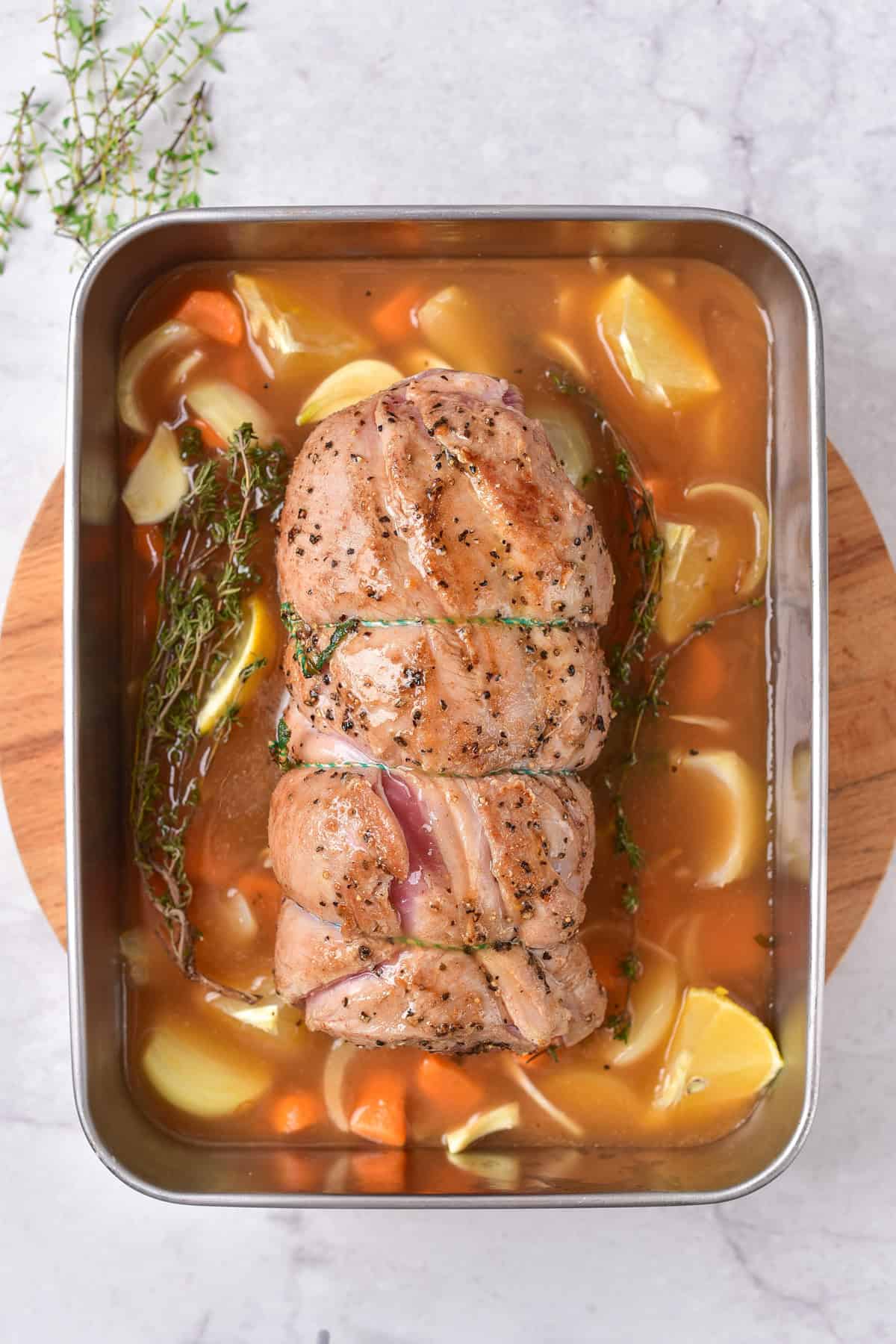
Transfer the rolled lamb to the baking dish, seam side down.
Pour in the beef broth and add the thyme.
Cover the baking dish with foil and roast the lamb in the preheated oven for 2 hours. Baste or spoon the broth over the lamb halfway through.
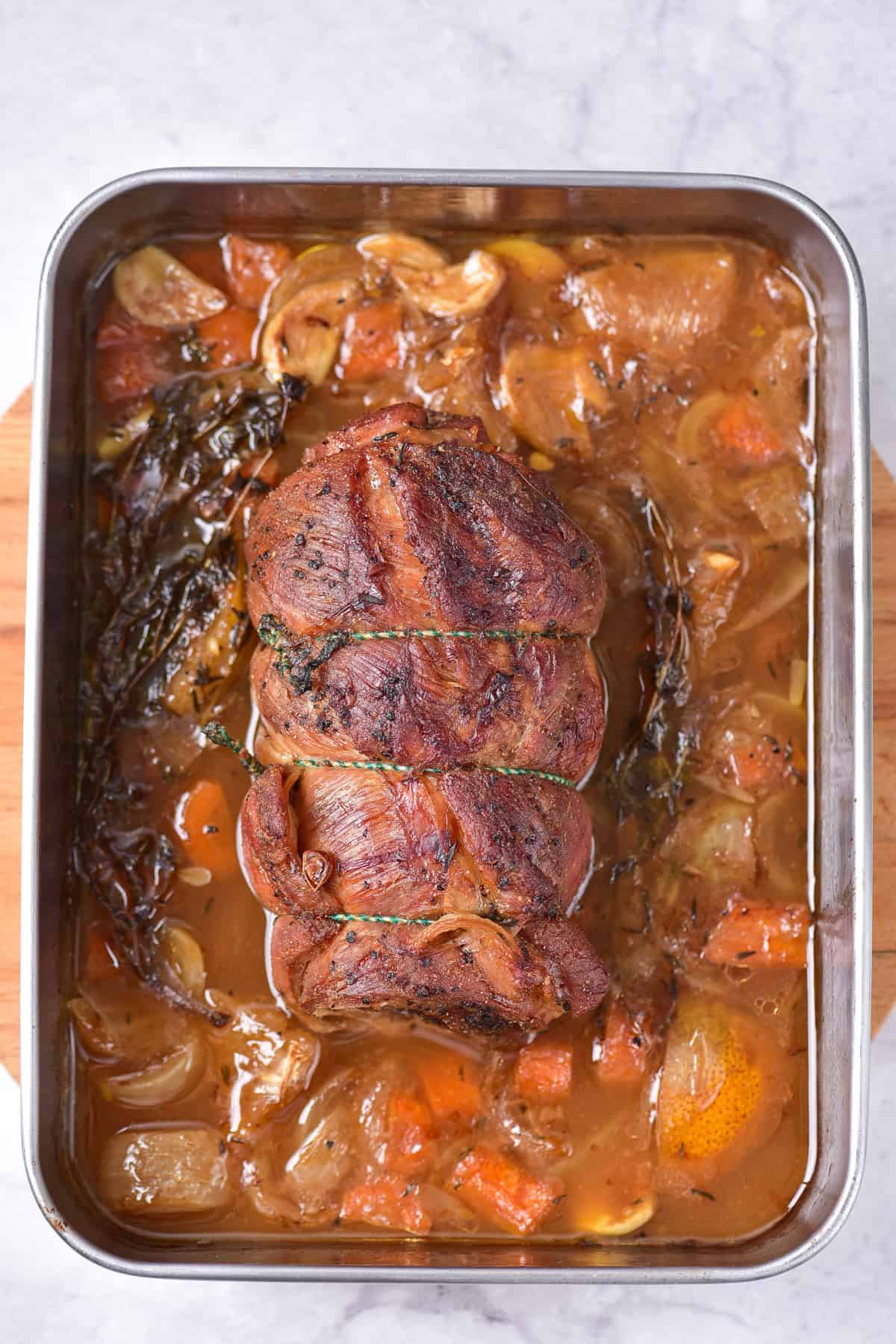
Remove the foil and bake, uncovered, for a further 30 minutes or until the internal temperature reaches 145°F (63°C) for medium-rare.
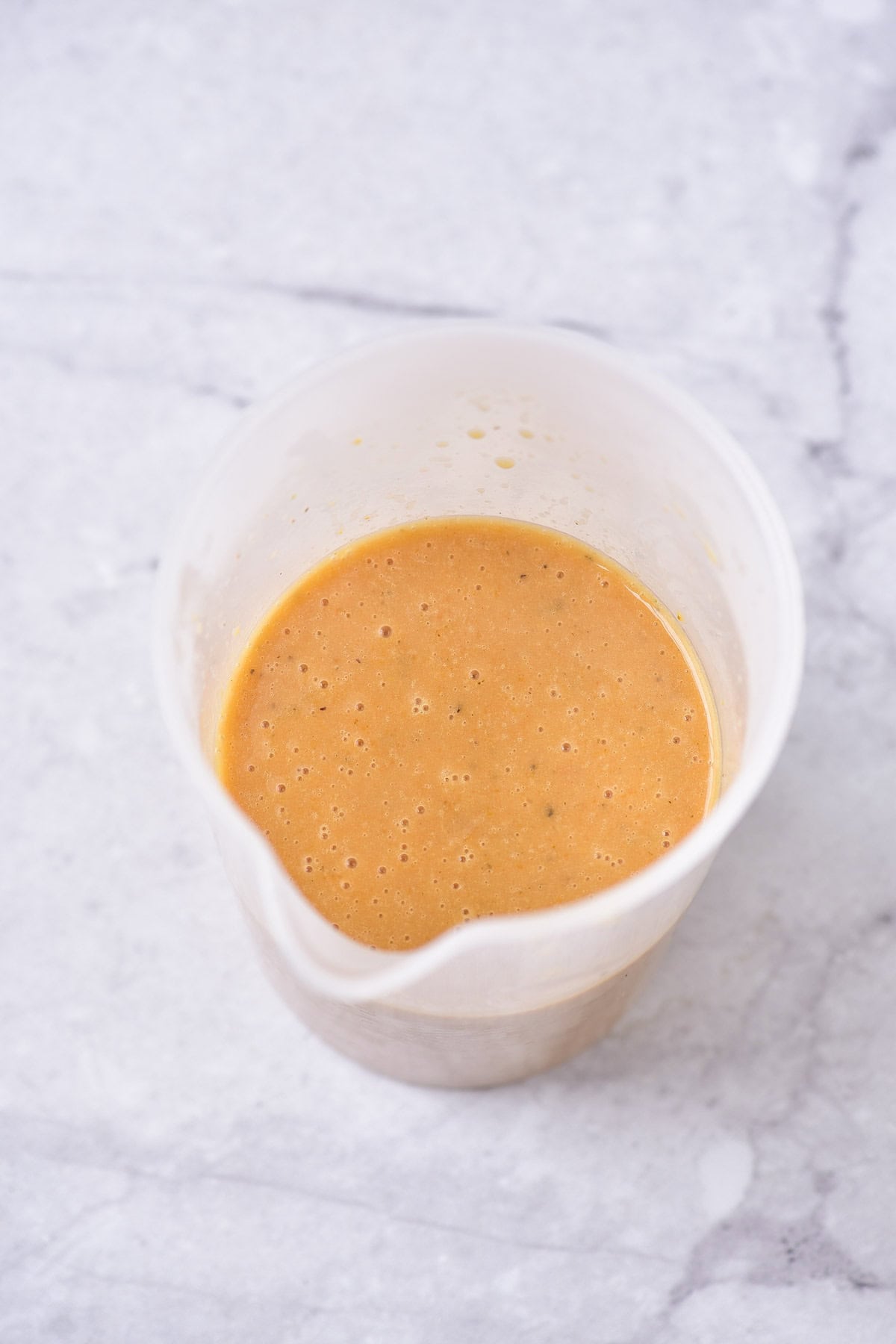
For the gravy, remove the lemon and thyme springs. Blend the broth and vegetables in a blender or with an immersion blender.
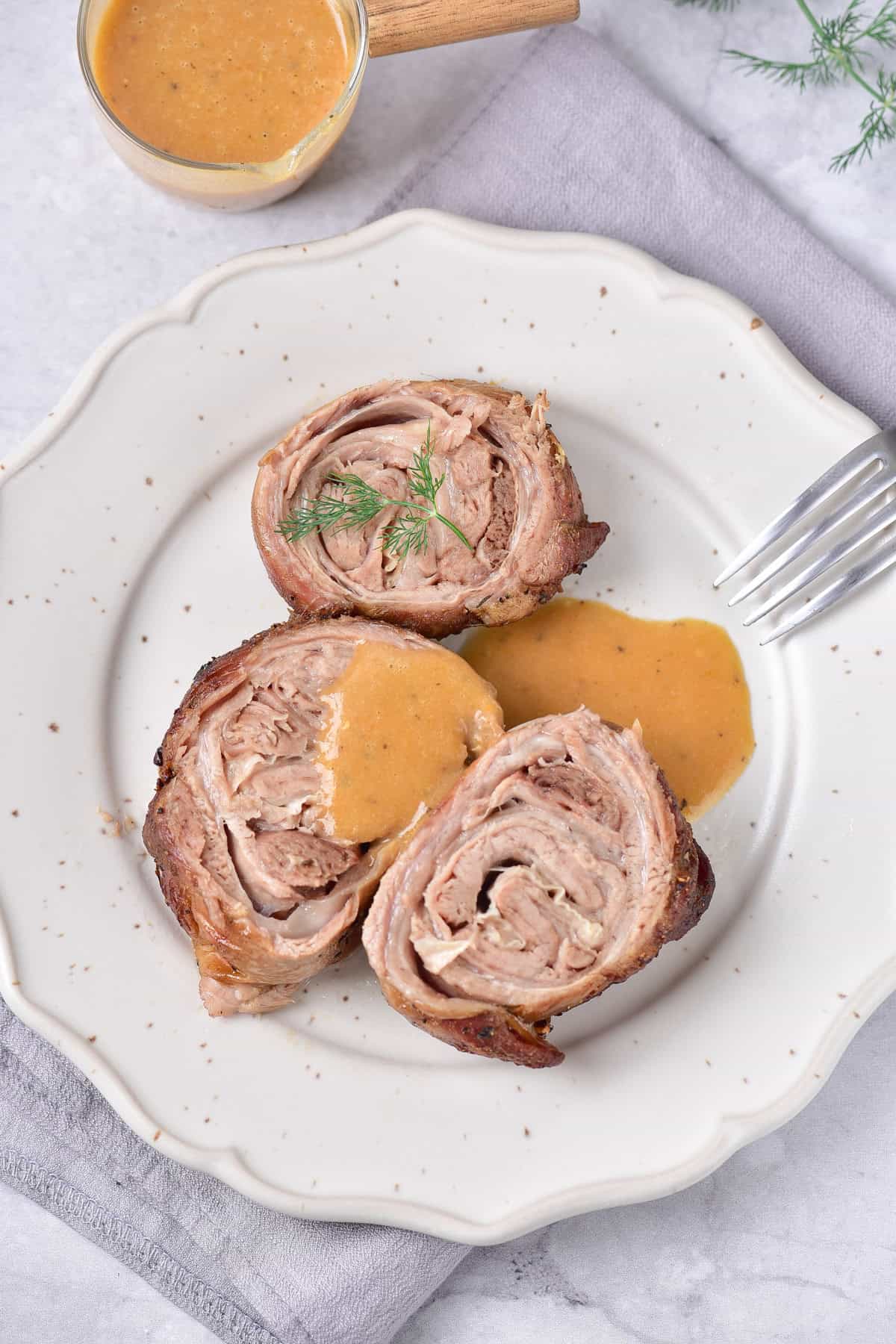
After removing the lamb from the oven, let it rest for about 10 minutes before removing the kitchen twine and slicing into thick slices and serving with the lamb gravy.
Serving Suggestions
- Classic Roast Dinner: Serve the Roasted Rolled Lamb Breast with roasted potatoes, steamed vegetables, and a side of rich gravy.
- Sandwiches: Slice the leftovers and create mouthwatering sandwiches with crusty bread, arugula, and a dollop of mint sauce.
- Salad Topping: Add thinly sliced roasted lamb to a fresh salad for a protein-packed and satisfying meal.
- Lamb Tacos: Shred the roasted lamb and serve it in warm tortillas with your favorite taco toppings like salsa, avocado, and lime.
Storage, Freezing, Make-Ahead Advice
You can prepare and roll the lamb a day ahead and keep it refrigerated.
Store leftovers in an airtight container in the fridge for up to 3 days.
Reheat gently in the oven or on the stovetop with a bit of broth.
Freeze sliced lamb and gravy for up to 2 months.
Thaw overnight in the fridge before reheating.
Recipe Tips
- Rolling the Lamb: When rolling the lamb breast, make sure to secure it tightly with kitchen twine at regular intervals to maintain its shape during cooking.
- Searing for a Crust: To achieve a flavorful crust, sear the rolled lamb breast over high heat, gradually turning it until it forms a golden brown crust.
- Basting for Moisture: While roasting, baste or spoon the broth over the lamb halfway through to ensure the meat remains moist and succulent.
- Resting Period: Allow the roasted lamb breast to rest for about 10 minutes after removing it from the oven. This step allows the juices to redistribute, resulting in a juicy and tender final product.
FAQ
Using a meat thermometer is the most accurate way to determine the doneness of lamb. Insert the thermometer into the thickest part of the meat, away from bones and fat.
Rare: 125-130°F (51-54°C)
Medium rare: 130-140°F (54-60°C)
Medium: 140-150°F (60-65°C)
Medium well: 150-160°F (65-71°C)
Well done: 160°F (71°C) and above
Yes, but cooking times will vary. Lamb shoulder is a good alternative.
Yes, searing adds flavor and improves the final texture.
📖 Recipe

Roasted Rolled Lamb Breast
Equipment
- Skillet
- 9x13-inch baking dish
Ingredients
- 2 lbs rolled lamb breast
- 1 teaspoon garlic powder
- ½ teaspoon ground coriander
- ½ teaspoon each salt and black pepper
- 2 tablespoons oil
- 1 carrot diced
- 1 onion cut into slices
- 3 garlic cloves sliced
- 1 lemon quartered
- 1 cup beef broth
- 5 thyme sprigs
Instructions
- Preheat the oven to 350°F.
- Unroll the lamb breast and sprinkled the garlic powder, ground coriander, salt and pepper over the inside of the meat.
- Roll the lamb breast back up tightly and secure it with kitchen twine at regular intervals to hold its shape during cooking. Set aside.
- Add 1 tablespoon of the oil to a skillet over a medium heat. Sauté onions and carrots for 5 minutes, stirring occasionally. Then add the garlic and fry everything together for another 2 minutes. Pour the vegetables into the baking dish.
- Add the remaining oil to the pan and fry the rolled breast over high heat, gradually turning it with cooking tongs, until you get a fried crust over the entire surface.
- Transfer the rolled lamb to the baking dish, seam side down.
- Pour in the beef broth and add the thyme.
- Cover the baking dish with foil and roast the lamb in the preheated oven for 2 hours. Baste or spoon the broth over the lamb halfway through.
- Remove the foil and bake, uncovered, for a further 30 minutes or until the internal temperature reaches 145°F (63°C) for medium-rare.
- For the gravy, remove the lemon and thyme springs. Blend the broth and vegetables in a blender or with an immersion blender.
- After removing the lamb from the oven, let it rest for about 10 minutes before removing the kitchen twine and slicing into thick slices. This allows the juices to redistribute and keeps the meat juicy.
Notes
- Rare: 125-130°F (51-54°C)
- Medium rare: 130-140°F (54-60°C)
- Medium: 140-150°F (60-65°C)
- Medium well: 150-160°F (65-71°C)
- Well done: 160°F (71°C) and above
Nutrition
The nutritional information provided is approximate and can vary depending on several factors, so is not guaranteed to be accurate. Please see a registered dietician for special diet advice.
Gina says
I really love lamb and this recipe is crave worthy! This will definitely always be a hit in my family!
Suja md says
Perfect! I love this recipe! I haven’t made one in ages. Thanks for the idea!
Traci says
Wow! Loved it. impressed our guests.
Tayler says
My family (especially my husband) loves lamb, so I made this for our anniversary dinner this week! Surprisingly easy and we loved it. Served it with dauphinoise potatoes and steamed broccolini. And lots of wine! ha ha.